
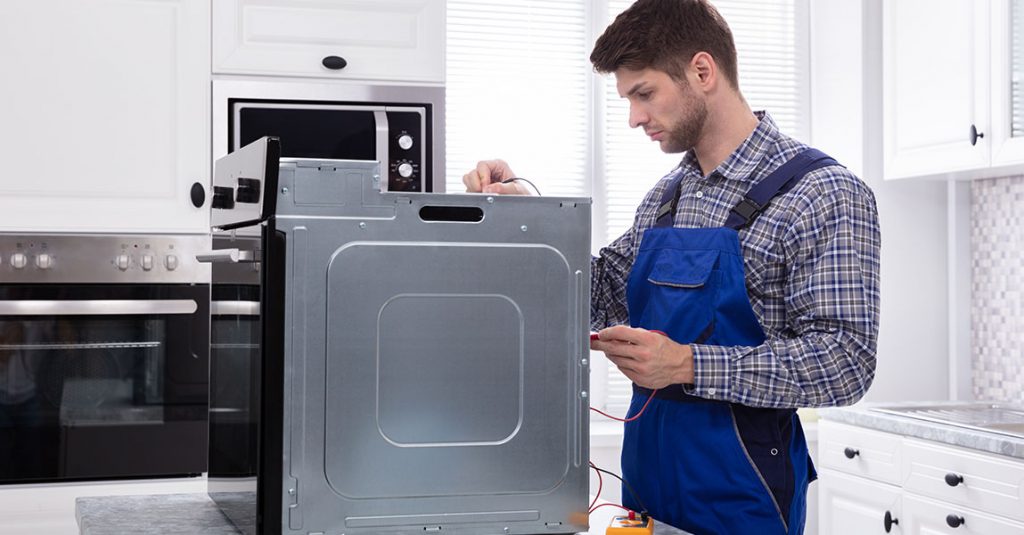
When the oven fan keeps running even after the oven has been turned off and cooled down, it can be confusing. We expect the fan to shut off once the cooking is done. However, when it keeps going endlessly, it’s often not a minor glitch. In many cases, a shorted fan relay is the culprit.
Let’s look into what causes this issue, how you can narrow down the source, and what steps are reasonable before you call a technician. We’ll walk through symptoms, diagnosis, and solutions in a practical way that makes sense.
Understanding Why the Oven Fan Runs Continuously
Most ovens are built with fans to help cool the internal components or circulate hot air during convection cooking. After cooking, the fan might continue running for a few minutes. However, it should eventually stop.
On the other hand, if the fan runs without stopping, even hours after the oven has been shut off, something is wrong. In many cases, this is due to a faulty fan relay that keeps sending power even when it shouldn’t. That is to say, the relay acts like a stuck switch, preventing the circuit from closing.
To clarify, the fan relay is responsible for controlling power to the oven fan. When the oven cools down, the relay is supposed to cut off power. If it short circuits or gets stuck closed, the power flow continues and the fan stays on.
Signs You’re Dealing With a Shorted Relay
It helps to identify symptoms correctly before jumping into repairs. We’ve noticed that some ovens continue running the fan even when the power light on the control panel is off. That’s a strong sign the issue is not user error.
Moreover, if your oven was recently exposed to a power surge or experienced a component burnout, there’s a higher chance that the relay was damaged. Similarly, if the oven’s fan worked fine until a recent repair or a fuse replacement, the relay may have been weakened during that process.
Another sign is when the fan turns on by itself, even though the oven wasn’t used recently. In such cases, a stuck or shorted relay is almost always the root cause. Therefore, knowing these indicators saves time when troubleshooting.
How to Rule Out Other Possibilities
Before jumping to replace the fan relay, we should rule out simpler causes. Firstly, some models keep the fan on for longer than expected, especially after using high temperatures. If you’re unsure whether the fan behavior is normal, let it sit unused for 30 minutes and observe.
Secondly, some ovens have thermal sensors or thermostats that control fan operation. A stuck thermostat could trick the fan into thinking the oven is still hot. Similarly, if the sensor is malfunctioning, it may not signal the control board to shut the fan off.
You can also unplug the oven or flip the breaker for a few minutes. If the fan comes on immediately when power is restored without any heating cycle, that’s another clue pointing to a shorted relay. In this case, we recommend looking into oven repair in Vancouver to get the component tested or replaced professionally.
What the Fan Relay Looks Like and Where to Find It
The relay is typically located on the oven’s control board. It may look like a small plastic cube with several terminals connected to wires. Some ovens use multiple relays, so identifying the one responsible for the fan is important.
To clarify, working with relays requires caution. Even if the oven is unplugged, capacitors in the control board can hold a charge. Most importantly, if you’ve never worked on appliances or circuit boards before, it’s safer to leave this to someone who has.
That said, for those with experience, you can visually inspect the relay for signs of charring, melting, or corrosion. If the contacts are visibly damaged or fused shut, replacement is necessary. Testing with a multimeter for continuity when the oven is off can also confirm if the relay is stuck closed.
Should You Replace the Relay or the Entire Control Board?
This depends on your oven’s model and how the relay is mounted. In some ovens, the relay is soldered directly to the control board. In others, it might be a replaceable plug-in part. If soldering is required, the job becomes more technical and delicate.
On the other hand, replacing the entire board might be simpler in models where relays aren’t easily swappable. But this also makes the repair more expensive. For that reason, we typically evaluate cost, age of the oven, and availability of parts before recommending which route to take.
We encourage checking the availability of parts before starting disassembly. In some cases, the model is no longer supported or the control board is discontinued. If you’re in this situation, working with a technician experienced in appliance repair in Vancouver can help locate alternatives or refurbished components.
Temporary Solutions if You’re Waiting on Parts
If you’ve already diagnosed a stuck relay and are waiting for a new part or service appointment, you may want to stop the fan temporarily. The most straightforward way is to unplug the oven or switch off the circuit breaker when it’s not in use.
Some homeowners have tried disconnecting just the fan wire temporarily. However, this is not recommended unless you know exactly which wire it is and understand the potential risks. Likewise, bypassing components can lead to further damage or void your appliance’s safety systems.
It’s best to use safe workarounds until a proper fix is done. If your oven is hardwired and doesn’t have a plug, cutting power from the breaker panel is a reliable option. For more guidance or next steps, you can reach out through our contact page.
When to Involve a Technician
If you’re not familiar with relay testing or control board work, bringing in an expert can prevent mistakes. Oven repair involves delicate parts, and missteps can create fire risks or electrical hazards.
Furthermore, if your oven is under warranty, opening the panel might void your coverage. In that case, a licensed technician can handle the repair while keeping your warranty intact. Even if it’s out of warranty, having someone inspect and confirm the issue helps ensure you don’t replace the wrong part.
Most importantly, if your oven model is known for relay failures, there may be technical bulletins or manufacturer updates that a professional will know about. Having experience with specific brands and models makes diagnosis faster and more accurate.
Extra Insight: Relays Fail More Often Than You Think
Many people think that a stuck fan must mean the fan motor is defective. Surprisingly, fan motors are less likely to fail than relays. This is especially true if the fan operates smoothly, quietly, and without vibration.
We’ve seen cases where the fan kept spinning even when disconnected from the thermostat. That’s because the relay was stuck internally, bypassing all other controls. Therefore, don’t replace your fan motor prematurely. In many ovens, the relay is the more common failure point.
It’s also worth noting that power surges and brownouts can damage relays over time. Investing in a surge protector for your oven circuit may extend the life of your appliance’s internal electronics.
FAQs
Why is my oven fan still running after I turned it off?
This is usually due to a cooling cycle, but if it doesn’t stop after 30 minutes, it could be a stuck relay or faulty thermostat.
Can I fix a fan relay on my own?
If you have electrical experience and the relay is a plug-in type, you might be able to replace it yourself. However, soldered relays or control board repairs should be left to professionals.
Will unplugging the oven stop the fan?
Yes, cutting off power by unplugging or flipping the breaker will stop the fan. This is a safe temporary solution while waiting for repairs.
Is it safe to keep using the oven with a stuck fan?
Generally, yes, but the fan running nonstop can wear out the motor and increase your electricity bill. It’s best to address the issue soon.
How much does it cost to replace a fan relay?
The cost varies based on the oven model and whether just the relay or the whole control board is replaced. A technician can give an estimate after inspection.