
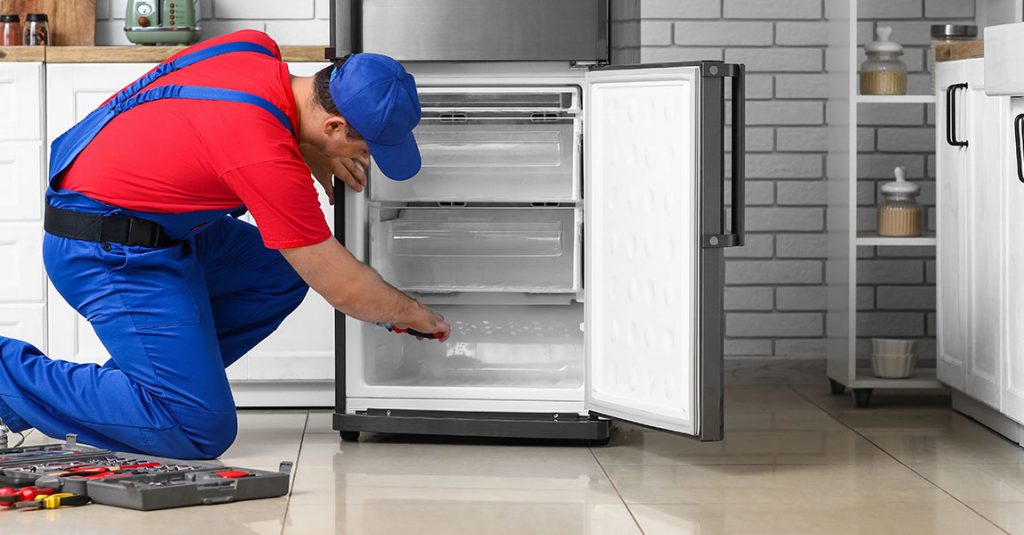
When you open your refrigerator door and the light flickers, it can be unsettling. You might wonder if it signals a bigger problem or just a small electrical quirk. The good news is that when your refrigerator continues to cool properly, the issue is usually minor. Still, a flickering light is worth investigating. It can point to an electrical fault, a worn-out bulb, or a failing switch that might lead to further issues if ignored.
Start With the Light Bulb
The simplest cause of flickering is often the bulb itself. Refrigerator bulbs go through frequent temperature changes and are subject to vibration when doors open and close. Over time, the filament or LED connection can weaken, leading to intermittent lighting.
Before replacing the bulb, make sure the fridge is unplugged. Remove the light cover carefully and check for discoloration or corrosion at the base. If you see black residue or the bulb flickers when you tap it gently, it’s time for a new one. Always match the wattage and bulb type recommended in your refrigerator manual. Installing the wrong type may cause overheating or premature burnout.
If replacing the bulb does not solve the problem, move on to inspecting the socket and connections. A corroded socket or a loose wire can interrupt the electrical flow even if the bulb is new.
Check the Light Socket and Wiring
A flickering light can also come from poor contact between the bulb and the socket. Dust, moisture, or corrosion can interfere with the connection. Cleaning the socket carefully with a dry cloth or soft brush can often resolve this. Never use water or cleaning spray inside the socket.
If the issue persists, the socket wiring might be loose or worn out. Over time, electrical connectors can shift due to vibration or minor impacts. Carefully examine the socket for dark marks, melted plastic, or a burning smell. These are clear signs of electrical arcing and should not be ignored.
If you are not comfortable working with electrical components, it is safer to call professionals who provide appliance repair services in Vancouver. Electrical faults inside a fridge can be more complex than they appear.
Door Switch Issues
Another common reason for a flickering refrigerator light is a faulty door switch. This small switch tells the light to turn on when the door opens and off when it closes. Over time, the spring mechanism can wear out, or dirt may build up around the contact points, preventing consistent operation.
You can test this easily. Press the door switch repeatedly while the door is open. If the light flickers or cuts out randomly, the switch is likely worn or dirty. Cleaning around it gently with a cotton swab and rubbing alcohol can sometimes help. If the problem continues, the switch probably needs to be replaced.
Door switches are inexpensive and simple to replace. However, if your refrigerator model integrates the switch with a circuit board or wiring harness, replacement becomes more complicated. In that case, it’s best to have a technician handle it to prevent damaging other components.
LED Light Board Problems
Modern refrigerators often use LED boards instead of single bulbs. These are efficient and long-lasting but not immune to issues. Flickering in LED lighting usually points to voltage irregularities or a failing LED driver board.
An LED board has multiple small lights connected together. When even one begins to fail, it can cause flickering or dimming across the entire unit. Temperature changes, moisture, or power surges can accelerate wear.
If you notice the flickering occurs when the compressor cycles on and off, it might indicate a power fluctuation within the fridge’s electrical system. This is not necessarily dangerous, but it can worsen over time. Replacing the LED module or driver board generally solves the issue.
Because these boards are model-specific, ordering the correct replacement is essential. A professional can diagnose the board’s voltage output to confirm if it’s the true source of the flicker.
When the Cooling System Works Fine
It’s easy to assume that because your refrigerator still cools normally, a flickering light is harmless. While this might be true in most cases, the light fixture connects to the same internal wiring that powers control panels, sensors, and fans. Ignoring small electrical inconsistencies can eventually affect other components.
Cooling performance depends on the compressor, thermostat, and evaporator fans. A small voltage drop or short near the light circuit can interfere with these systems if it spreads. This is why even a simple flicker should not be dismissed. Fixing a light issue early is much cheaper and easier than dealing with a larger electrical repair later.
Testing Voltage and Connections
If you have a multimeter and basic electrical knowledge, you can test the socket voltage. With the refrigerator unplugged, remove the light cover and bulb. Plug the fridge back in and carefully test the socket using proper safety precautions.
The reading should match your household voltage (typically around 120 volts). If it fluctuates significantly or drops intermittently, there may be a loose wire or damaged circuit board. In that case, unplug the fridge immediately and schedule professional service.
Unusual voltage behavior could also stem from issues with the main power supply, not just the refrigerator. If multiple appliances in your home show signs of flickering or dimming, contact an electrician to inspect the outlet or breaker panel.
Environmental and Usage Factors
Humidity, frequent door opening, and temperature variation all affect a refrigerator’s internal components. When the door opens often, moisture enters and condenses on the light housing or switch. This moisture can cause temporary flickering until it evaporates.
If the light flickers only after long periods of door use, you might be dealing with condensation. Wiping the area dry and ensuring the gasket seals tightly around the door can help. Cracked or loose door seals can also increase internal humidity, leading to both electrical and cooling issues in the long run.
If you notice a faint buzzing or clicking sound along with flickering, the problem might extend to the control board or transformer. These components manage power flow and can show signs of stress when humidity or dust builds up.
Preventing Future Flickering
Once you fix the problem, a few maintenance habits can help prevent it from returning. Keep the refrigerator interior dry by wiping spills quickly. Check door seals regularly to ensure cold air stays in and moisture stays out.
Avoid slamming the door, as this can loosen light fixtures and wiring. Once or twice a year, unplug the fridge and clean the light cover, switch area, and nearby vents gently. These small actions help maintain consistent power flow and reduce flickering risk.
If your fridge uses LED panels, you can extend their lifespan by keeping air vents unblocked. Proper airflow prevents temperature extremes that strain the light board.
When to Call for Professional Help
Most flickering light issues are easy to handle, but some are better left to trained technicians. If you see scorch marks, smell burning plastic, or notice the light flicker along with other electrical symptoms such as the control panel resetting, contact a repair service immediately.
Electrical repairs inside a fridge involve confined spaces and live voltage. A small mistake can cause further damage or injury. If you have any doubts, it’s safer to reach out for assistance rather than experiment with internal wiring.
You can reach out to us anytime through our contact us page to schedule a service visit. A technician can inspect the light circuit, test the switch and LED driver, and verify that your refrigerator is functioning safely.
Related Mechanical Signs
Sometimes flickering light appears along with small noises such as clicking or humming. This can mean the light relay or control board is under strain. In newer refrigerators, a relay module controls power to the lights and other accessories. When this relay wears out, the light may flash on and off before staying off entirely.
Replacing a relay board usually solves this, but diagnosing it requires removing internal panels, which can void your warranty if done incorrectly. For these cases, it’s best to book fridge repair in Vancouver to ensure the repair is handled correctly.
Extra Tip: Hidden Causes Few People Consider
In some cases, the flicker has nothing to do with your refrigerator. Shared electrical lines within a home can cause temporary light fluctuations when heavy appliances like dishwashers or dryers start running. These create small dips in household voltage.
If the flickering coincides with another appliance starting, you might be dealing with normal voltage variation. Installing a surge protector for the refrigerator can help stabilize power and prevent future electrical stress.
This is especially important in older homes with limited circuit capacity. A surge protector designed for kitchen appliances can absorb power spikes and extend the lifespan of the refrigerator’s electrical parts.
FAQ
Why does my refrigerator light flicker even after replacing the bulb?
The socket or wiring may be loose, or the door switch could be malfunctioning. Inspect the socket for corrosion and test the door switch by pressing it repeatedly to see if the light stabilizes.
Is it safe to keep using the fridge when the light flickers?
If the refrigerator cools normally and there are no burning smells, it’s generally safe in the short term. However, addressing the issue promptly prevents potential electrical faults later.
Can humidity inside the fridge cause flickering?
Yes. Excess moisture around the light or switch can cause temporary electrical interruptions. Drying the area and ensuring proper door sealing usually helps.
Do LED lights flicker more often than traditional bulbs?
LED modules can flicker when their driver boards begin to fail or when voltage fluctuates. Replacing the LED board typically resolves this issue.
Should I repair the light myself or call a technician?
If it’s a simple bulb replacement, you can safely handle it. For wiring, switches, or LED boards, professional service is safer and ensures the repair lasts.